Hunterdon Oral and Maxillofacial Surgical Specialists
Considering an Upgrade to Dental Implants?
 Have you been thinking of upgrading your current tooth replacement strategy but aren’t sure where to start? This is a great time of growth in modern dentistry, especially when it comes to replacing missing teeth! With the evolution of dental implants, patients don’t have to suffer some of the pains of the past when older, traditional tooth replacement methods were used.
Traditionally, missing teeth were always “fixed” with bridges or dentures. And while both of those procedures are still in use by dentists and do still serve an important purpose, they often cause unintended problems in the mouth that modern dental implants may be able to alleviate, or avoid completely.
What is a dental implant, you may be asking? At the most basic level, a dental implant is simply a prosthetic tooth that is mounted to a metal post which is screwed into the jaw bone. The procedure is typically done in two visits. During the first procedure, a titanium screw is inserted into the jawbone, where it is allowed to “settle in” and bond, a process that takes about six to eight months. After that, the dentist creates a prosthetic tooth and attaches it to the titanium post for a fully functional (yet fake) tooth!
The benefit of dental implants is that, unlike dentures, they are almost unnoticeable by the patient. Anyone who has had dentures knows that they tend to slip and wear down and sometimes even cause mild pain or discomfort. With dental implants, you will not even know they are there. They function just like a natural tooth in your mouth, no slipping, movement or separate cleaning required. Similarly, patients who are used to receiving bridges may benefit by an upgrade to an implant as bridges have a tendency to invite bacteria and infection, requiring additional replacements.
Whatever your concerns about dental implants are, we are here to help. Give us a call today to see if dental implants might be right for you!
Chomp! Fun Facts about Teeth
 As children, we are obsessed with our teeth. Counting them, watching them fall out and grow back in. Waiting for the tooth fairy’s surprise. And as adults, we are still obsessed with them, but maybe in a different way (as in “why do they always hurt and why aren’t they white anymore?”) So just for fun, and to further indulge in this fascination with teeth (See? It’s not just dentists that are obsessed with them), here are some fun facts about teeth.
This is a great article to share with your children! How many of these facts did you already know?
Sharks don’t get cavities. Why? Because their teeth are coated in fluoride. That combined with the fact that they have rows and rows of replacement teeth, ready to go at a moment’s notice, give them an unfair advantage over humans when it comes to oral health.
You are lucky! You have three types of teeth: (1) Incisors to bite pieces off, (2) Canines to hold and tear, and (3) molars to grind food. This allows you to eat a wide variety of foods. Some animals, like crocodiles, aren’t so lucky, they only have sharp teeth to grab and kill, which greatly reduces their restaurant choices.
Enamel is the hardest material in the human body. It is considered the last line of defense for your tooth. Normal wearing down of enamel does occur over time and is simply a part of aging. But bacteria can cause this breakdown to accelerate, which is why we brush and floss regularly!
Taste buds only live for about 10 days, or 2 weeks if they are lucky. They go through a life cycle just like every other cell renewal processes in the body.
Sharkskin is covered in teeth. Don’t believe me? Both sharks and their cousins, rays, are covered in what are called dermal denticles. Although they look like scales they are actually just modified teeth, with an enamel coating and all! These protect them and also help them swim faster, but enough about sharks.
The jaw muscle, called the “masseter”, is the strongest muscle in the body if we are talking about strength based by weight. When all of these muscles work together, the jaw exerts 55 pounds of weight on the incisors and 200 pounds on the molars. This is why we take jaw disorders like teeth grinding, TMJ and bruxism very seriously – that’s a lot of force! Call us today if you suspect you might be a teeth grinder.
Did you know any of these fun facts about teeth already or did we surprise you?
Soft & Healthy Foods After Dental Implant Surgery
 On our website and social media channels, we have thoroughly explained why and how oral surgery is beneficial. Here’s a reason that has gone unmentioned: it will make you appreciate the solid foods and acidic drinks that you aren’t able to eat or drink immediately after your procedure. Sandwiches, chips, and orange juice should all be avoided after your wisdom tooth removal, dental implant surgery, orthagnathic surgery etc. Too much chewing can possibly re-open the sensitive areas of your mouth, and can cause bleeding or even infection. But don’t worry – we have a few healthy food and beverage recommendations when your mouth is delicate.
First 24 Hours
For the first 24 hours after your surgery, your teeth/jaw will need some time off. Therefore, smoothies, low-fat jello/puddings, and cold soups will be the most beneficial for your healing process. It is extremely important to refrain from using a straw, as the sucking causes excess strain, which ultimately can delay the healing process. Here are a few recommendations:
Banana Mango Shake- A healthy, filling way to start the day after your surgery. Also, bananas help replace electrolytes and maintain fluid balance within your body.
Applesauce- You can’t eat apples, but this is the next best thing!
Tomato Soup- A great snack even when your mouth isn’t sensitive.
Cold Pasta- Ever tried a Sun-Dried Tomato Basil Orzo? Might be the perfect time to expand your taste buds!
Next Few Weeks
Over the next few weeks, you will start easing into enjoying solid foods again. Here are some tasty transitional foods (some can even help the healing process!)
Broccoli Omelet: Who would’ve thought thathealing from oral surgery could be so healthy? Broccoli contains enough calcium to speed up the healing process, and the eggs provide enough protein to make this a fully substantial meal while taking it easy on your teeth/jaw.
Chicken Salad: Finally some real meat! Chicken that is chopped up into small pieces can be eaten with a salad, or even a cold pasta. The chicken provides the protein, while the salad (with soft vegetables) provides the healthy goodness.
Chicken Pesto Pasta: Believe it or not, this dish can prevent oral infection. The basil in pesto contains volatile oils, which can protect the mouth from oral bacteria. The last thing your mouth needs after oral surgery is oral bacteria.
We hope that these recommendations help! We genuinely want you to heal as quickly as possibly while maintaining a healthy lifestyle. Feel free to call Dr. Olawoye with any questions about the post oral surgery process.
5 Points for Wearing a Mouth Guard During Sports

It’s easy for people to not realize what they have until it’s gone. Imagine what it would be like if you were missing one of your front teeth? You’d probably be a bit embarrassed smiling and talking, and not to mention eating would feel pretty abnormal as well. The good news is that taking preventative measures to protect your smile can diminish the chances of you having a toothless smile.
Wearing a mouth guard when playing sports decreases the risk of injuries to the mouth or jaw. Some sports players don’t like to wear mouth guards because of the inconvenience of their appearance while wearing one, but more injuries can happen when not wearing a mouth guard that can affect your appearance in a much more inconvenient way. Here are five reasons why you should always protect your pearly whites when participating in any contact sports or collision sports where unexpected contact can happen:
1. Protection Against Tooth Fractures
Mouth guards protect your teeth from chipping and breaking. Even though tooth fractures can usually be saved, why go through the risk when wearing a mouth guard can save you all the trouble.
2. Protection Against Tooth Replacement
Wearing a mouth guard is a cushion for your teeth, so if a ball hits your face your teeth don’t receive a crushing force. However, if a ball hits your mouth without a mouth guard, it can result in completely breaking or ruining your tooth, leaving you with a toothless smile and an emergency call to Dr. Olawoye’s office. Having a gap in your smile due to an accident that could have been prevented isn’t worth it.
3. Protection Against Soft Tissue Injuries
Some contact sports involve quick impacts that could leave you biting through your tongue or lips! A mouth guard can prevent soft tissue injuries by creating a soft resistance from teeth contacting your lips and tongue.
4. Protection Against Concussions
According to the American Dental Association, mouth guards could help reduce the severity and incidence of concussions. A properly fitted mouth guard decreases the likelihood of sustaining concussive injury because the padding between the mandible and the maxilla can lessen the force of the mandible pushing up on the skull near the brain, which causes a concussion.
5. Protection Against Jaw Fractures
Wearing a protective mouth guard protects you from jaw fractures. Impact to the neck or jaw could result in serious injury, but with the protection of a mouth guard during an impact, it reduces the likelihood of jaw dislodgment or neck trauma.
The Academy of General Dentistry estimates that mouth guards prevent more than 200,000 injuries each year! Using a mouth guard won’t only help prevent you from dental and jaw injuries but can also prevent damage to braces or other orthodontic work. If you’re ready to take the step to save your smile when playing sports, contact Dr. Olawoye for more information about mouth guard protection.
FAQs Regarding Dry Socket
 Many of us have gotten a tooth pulled before by our dentist or oral surgeon; whether it was a tooth that couldn’t be saved or your wisdom teeth. While getting a tooth pulled isn’t the most enjoyable experience, it’s important to understand the risks that could evolve during the recovery. When pain becomes intense and isn’t relieved a few days after surgery, there’s the possibility that it could be a symptom of dry socket.
Dry Socket, also known as Alveolar Osteitis, is the inflammation of the alveolar bone and usually occurs where the blood clot fails to form or gets lost in the socket. While the percentage of those who develop dry socket is rare—about 2%-5% of people—it’s rather important to know why it happens and to determine if you may be more prone to it.
Someone who doesn’t have dry socket would see a dark blood clot near the area where the tooth was pulled. An area that might have dry socket wouldn’t be dark, but rather just whitish bone.
Some of the most common symptoms for Dry Socket are:
-Aching and throbbing pain in the area of the socket
-Pain near the ear, eye, temple and neck
-Bad Breath
-Bad Taste in the mouth
You’re more likely to get dry socket if the one of the following applies to you:
-Smokers
-Have a preexisting infection in the mouth
-Practicing poor oral hygiene
-Those who have gotten Wisdom Teeth pulled
-If you have a greater-than-usual trauma during the extraction surgery
-If you use Birth Control pills
-Have a history of dry socket after having teeth pulled
After learning the harmful symptoms of dry socket, it is no surprise that you may want to take any precautions to avoid it. DR. Olawoye suggests the following post-operative instructions:
-Take recommended medications
-Avoid hot fluids for 1-2 days after oral surgery
-Drink cold fluids, as they facilitate with formation and prevent disintegration of the socket
-Avoid smoking!
-Do not drink though a straw, the pressure leads to increased chance of clot instability.
While dry socket can be painfully unpleasant, it is easily treatable. Treatment usually includes a combination of cleaning and packing the infected area. Some patients may also need antibiotics for the socket as a preventative measure. The pain should then decrease about 4-5 days after and is typically healed in less than two weeks. If you believe you have developed dry socket from your tooth extraction, contact our office for specific treatment details.
Implant Supported Dentures
 Most patients see dental implants as a procedure that is perfect for replacing one or two teeth. They don’t, however, conclude that a dental implant surgery is the solution for missing an entire row of teeth. In this instance, most people are still reverting to the outdated methods of receiving dentures. But there is actually an efficient way to obtain a mouth full of secure teeth through the dental implant process. This new technique is called “implant supported dentures,” which gives patients new reasons to smile.
A Team of 4 is Stronger Than 15 Individuals
I know what you’re probably thinking. “Wouldn’t it be a long, grueling process to take in 15 or so dental implants in the same surgery?” That is hard to argue with. A mouth with 20 dental implants drilled into it seems like too many metal rods for one person to own. They probably wouldn’t be allowed on airplanes. This is why oral surgeons now have a procedure where they use 4 titanium implants to connect an entire row of teeth. Picture it as 4 pillars with metal bridges connecting them. On the metal bridges is were the fully customized row of teeth will be placed.
Too Real to be Called Artificial
The word “artificial” is misleading when describing the new set of teeth. These teeth are now permanent, and will be treated the same as natural teeth. They need to be well maintained as regular teeth do, and cannot be taken out. It is impossible to distinguish implant-supported dentures from natural teeth. Even oral surgeons would have trouble picking apart the differences. Most patients are concerned with not being able to enjoy food like they used to. These new rows of teeth know when they encounter hot and cold food, and can still bite through the roughest of surfaces. Ultimately, “new and improved” is an acceptable replacement for “artificial” when describing implant supported dentures.
The Time is Now
The oral surgeons who are trained at this process are able to have the patient’s teeth completed in roughly 2.5 hours. This surgery leads to lifelong fulfillment of having a lively smile, so this may be the most productive 2.5 hours ever spent. When the entirety of one’s mouth looks like it’s ready for a makeover, implant supported dentures are the key to rebuilding.
3 Reasons to Have Corrective Jaw Surgery
3 Reasons to Have Corrective Jaw Surgery
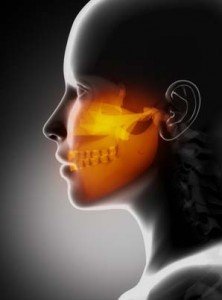
Jaw Surgery might sound intimidating, frightening, or both. It isn’t easy to process the fact that your jaw needs to be realigned.
Ultimately, overcoming the surgical aspects of orthognathic surgery is well worth the years of having a symmetric, visually appealing jawline. Here are the top reasons why more and more patients are considering jaw surgery:
1. Improvement in Chewing and Biting Foods
Have you ever been unable to enjoy food due to a physical complication? Those who have had their wisdom teeth out can admit to this, as well as those who have once had severe cuts on the insides of their mouths.
However, there are food lovers out there who regularly cannot enjoy the full satisfaction of eating food due to their jaw’s misalignment. A world where one has to proceed with caution before chowing down lunch is a world that needs to be fixed – with jaw surgery.
2. Reduce of Chronic Headaches
Oral Surgeons notice that when patients have TMJ disorder, they have tendencies to grind their teeth at night. Most of these teeth-grinders do so unconsciously, which results in morning headaches.
Most people with chronic headaches simply take their pain relievers and move on without receiving any significant treatment. Corrective jaw surgery will cease the teeth-grinding, which will ultimately reduce daily headaches.
3. Improving Overall Facial Appearance
Having an underbite or an overbite is certainly unfortunate, but fixable. Even if one’s bite needs to be fixed by a millimeter, this millimeter can go a long way.
- If one’s mandible projects outward, he/she has an underbite. This gives the appearance of an oversized jaw, which can harm the beauty of his/her smile.
- By contrast, an overbite makes one look as if their jaw isn’t fully developed.
- The jaw bone is surgically moved forward or backward accordingly.
The process of getting Jaw Surgery is seemingly a long one, but well worth it in the end. Patients who have had jaw surgery are thrilled about their new and improved smile and overall confidence.
Improving appearance, preventing headaches, and being able to thoroughly enjoy food are three worthy reasons to consider an orthognathic treatment.
Do You Want a Better Bite or a Healthier Mouth?
Dr. Olawoye can provide you with exceptional Oral Surgery services such as dental implant placement, wisdom teeth removal, jaw surgery, and more. Contact us today!
Three Superstar Teeth Corrections
Three Superstar Teeth Corrections
When we see celebrities walking on the red carpet with their dazzling smiles, it’s hard to believe that their teeth were ever imperfect. Unfavorable teeth, however, were common for many of today’s hottest stars. They realized the magnanimous impact a beautiful smile could make and took action. Let’s look at a few celebrities who transformed their smiles into superstars.
50 Cent
In the hip-hop industry, rappers are continuously searching for ways to ridicule the competition. When rapper 50 Cent realized that his teeth were becoming the laughing stock of the rap business, he decided to straighten things out – literally. He fixed his disproportionate teeth by receiving an entirely new set. Now, 50 cent can officially say he is shining from head to toe.

Matthew Lewis:
We all remember the chubby, crooked teethed “Neville Longbottom” in the Harry Potter movies. Matthew Lewis, who played Longbottom, was told on his contract that he must not fix his teeth or lose weight. Sadly, the teenager who was on set with numerous attractive women was forced to maintain his unattractive appearance for the greater good of the legendary Harry Potter saga.
Once his role in Harry Potter was ceased, he immediately fixed his teeth, which made him unrecognizable in comparison to his teenage days. Changing your teeth can change the overall nature of your look, as shown below:

Miley Cyrus
Let’s pretend that we aren’t familiar with Miley’s recent media meltdown, and simply focus on her improvements over the years. When she started as a Disney channel actress, most viewed her as the perfect child.
Unfortunately, her teeth were miles from perfection. While her current persona may be a bit crooked, her teeth are perfectly straightened, which she credits her dentist for.

For many celebrities, the first task at hand after being nationally endorsed is fixing their teeth. Their publicists and stylists all admit that superstardom does not align with uneven teeth. But celebrities aren’t the only ones who promptly need beautiful teeth.
Serving Patients with Special Needs
 Dr. Olawoye is committed to making dental care available for all patients who need it, regardless of special healthcare needs. Patients with special needs include the elderly, those with limited mobility, mentally disabled individuals, immunocomprimised people and those with mental illness. Specific diseases that can frequently hinder proper dental care include autism, Alzheimer’s, Parkinson’s, Cerebral Palsy, Multiple Sclerosis and Down syndrome.
Often times, these individuals have higher rates or poor hygiene, which leads to greater incidence of gingivitis, periodontitis and dental caries. While treating a patient with special needs, we strive to ensure:
– A friendly and comfortable environment
– Sensitivity and compassion from team members
– Predictable experiences at each appointment
Our team posses the compassion and understanding that is imperative when caring for a special needs patient. Some cases involving severe disabilities may require specialized equipment and general anesthesia. We realize that each individual with special needs is a unique case and will require different systems and skills to properly treat. We are confidant we can provide competent care for the majority of patients who are labeled as special needs.
For patients who are specifically incapable of ideal hygiene, it is essential that the people in daily contact with them become involved in their oral healthcare requirements. If you are a caregiver for a patient with special needs, the best course of action to determine if we can offer treatment is to call our office with any questions and possibly reserve an appointment to tour our facilities. If more complex oral care is required, we will refer you to the appropriate specialist who also works with the special needs population.
Will Wisdom Teeth Someday Become Obsolete?
Most people are familiar with third molars, more commonly known as “wisdom teeth”. It is usually suggested that a young adult entering the “age of wisdom” have any existing wisdom teeth removed prior to developing any problems. Because most people’s mouth do not have room for these third sets of molars, the remaining wisdom teeth often fail to erupt and can cause pain, infection or  inflammation.
However, you might not realize that about 35 percent of the population doesn’t experience any third molar development. This percentage is slowly growing, begging the question of whether we are on an evolutionary track of losing them completely.
Scientists still aren’t sure of the role that DNA plays in third molar development. One large difference in third molars is that they are the only teeth to develop entirely after birth, which makes it harder for nature to select against them. There may also be environmental factors at work. Studies show that certain cultures have fewer incidences of third molars, but scientific evidence of influencing factors is still to be determined.
As science progresses, many believe bioengineering could be used to prevent the development of third molars altogether. For wisdom teeth to form, a special tissue that promotes the bone growth has to migrate back into the mouth to interact with jaw tissue. Some scientists have begun work on administering a laser or chemical agent that would prevent this process.
It is hard to say what the future might hold for wisdom teeth. For now, we continue to recommend removing your wisdom teeth to avoid the pain and periodontal disease that results from impaction of wisdom teeth. Moreover, this surgery should take place during the young adult years prior to the teeth attaching to the jaw and becoming more difficult to extract.
Wisdom tooth removal in our office is a relatively simple process. Call us to reserve a consultation today.